Libya's food industry is entering a new stage of growth. As the country works to improve food security, new technologies and automation systems are becoming key to how food is produced, processed, and delivered. These changes are helping ensure that Libyan food remains safe, high-quality, and accessible to everyone.
How Automation Is Changing Libya's Food Industry
Automation is one of the most important tools shaping modern food production. In the past, much of Libya's food sector depended on manual labor and imported goods. Today, more companies are using automation in the food industry to improve efficiency and reduce waste.
An automation system for food and beverage industry projects can help producers monitor temperature, manage supply chains, and ensure consistent quality. For example, automated machines can sort, clean, and package food faster and more safely than before. This helps businesses produce more with fewer resources, while maintaining high safety standards.
Automation also supports better data collection. By tracking production and storage in real time, companies can make smarter decisions about sourcing, distribution, and pricing. This data-driven approach supports both large food factories and small local producers.
Innovation in Food and Beverage
At the same time, food and beverage innovation is creating new opportunities for Libya's growing food scene. Local startups and farmers are exploring new methods of cultivation, packaging, and food preservation. These improvements help reduce waste and extend the shelf life of local products.
Food innovation also encourages the use of sustainable materials and energy-efficient systems. For example, using solar-powered refrigeration or biodegradable packaging supports both the environment and the local economy.
The Role of Libyan Cuisine and Restaurants
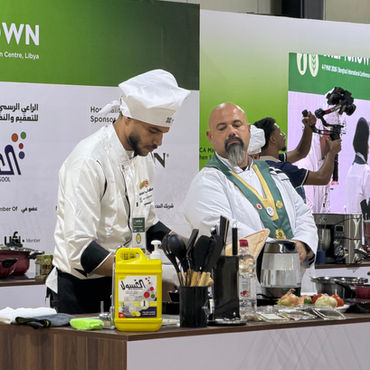
Across the country, traditional dishes are being reimagined in creative ways. Libyan food restaurants are blending traditional flavors with modern cooking methods, attracting both locals and tourists. This growing interest also supports small producers and family businesses.
Even people searching for Libyan food near me are finding more diverse options, from classic couscous and bacon to modern versions served in cafes and hotels. This shows how technology and tradition can work together to keep Libyan cuisine vibrant and evolving.
Building Food Security for the Future
By combining automation systems with innovative food practices, Libya is strengthening its food security and reducing dependence on imports. Technology is not replacing tradition — it is protecting it, ensuring that future generations can enjoy the same rich flavors and culture.
The country's efforts in food innovation and automation are part of a larger movement toward sustainability and self-sufficiency. These changes promise a stronger, more reliable food system for everyone.
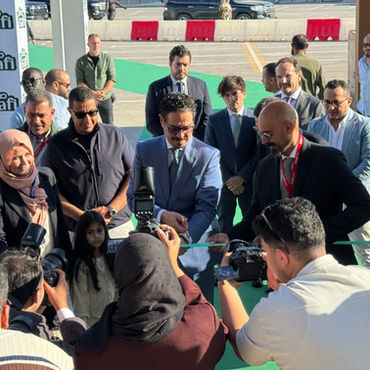
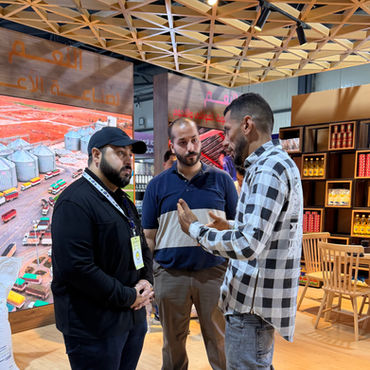
HORECA Libya continues to highlight these advancements, bringing together experts, innovators, and food professionals who are shaping the future of Libya's food and beverage industry.