Libya's hospitality and restaurant sectors are experiencing exciting transformations. With growing interest in tourism, investment in local food production, and the adoption of modern technologies, these industries are paving the way for economic growth and cultural revival. In this blog, we explore the key trends shaping Libya's hospitality and dining landscape.
Libya's Hospitality Sector: Innovation and Skill Development
The Libyan hospitality industry is gradually aligning with global standards, offering improved services and modern facilities to cater to both local and international guests.
Smart Solutions and Sustainability
Hotels and resorts are increasingly implementing smart technology to enhance guest experiences, including mobile check-ins, digital concierge services, and automated room controls. Eco-friendly practices, such as energy-efficient lighting and waste reduction, are also becoming a priority.
Skill Enhancement Initiatives
Training programs and international partnerships are improving service quality across Libya's hotels. For instance, initiatives like USAID-supported training at resorts in southern Libya have created new job opportunities while enhancing guest satisfaction.
Restaurant Industry Growth and Digital Transformation
Libya's restaurant sector is expanding rapidly, driven by a desire for diverse culinary experiences and modern dining solutions.
Market Expansion
The restaurant industry in Libya was valued at approximately $1.2 billion in 2024 and is expected to grow at a CAGR of 8.2% by 2033. This growth is fueled by rising urbanisation and consumer demand for both local and international cuisines.
Digital Integration
Restaurants are leveraging technology to improve customer engagement. Online ordering, loyalty programmes, and in-house delivery services are now common, offering personalised experiences that cater to a tech-savvy population.
Food Industry: Local Production and Investment Opportunities
Libya is placing greater emphasis on local food production to support its hospitality and restaurant sectors.
Focus on Essential Food Products
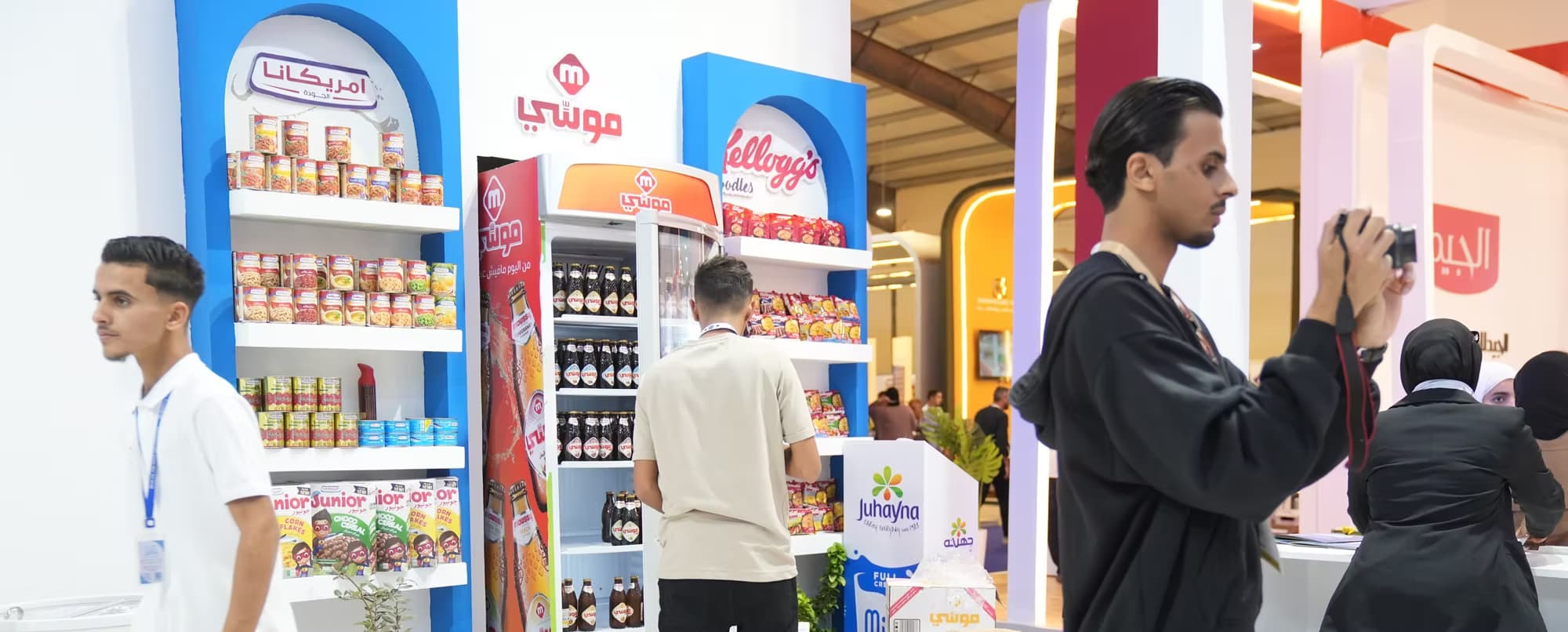
Local manufacturers are producing staples such as bread, pasta, dairy, and canned goods, reducing reliance on imports and boosting domestic availability.
Investment in Agriculture
Regions like Misrata, with fertile land and favourable climates, are expanding the production of olives, citrus fruits, and grains. Proximity to trade hubs ensures efficient distribution to urban centres and restaurants, opening new investment opportunities.
Tourism Revival: Heritage and Global Partnerships
Tourism is gradually re-emerging in Libya, with a focus on cultural heritage and international collaboration.
Promoting Cultural Heritage
Libya's rich historical sites and Mediterranean coastline offer unique experiences for tourists. Efforts to preserve and showcase cultural landmarks are gradually attracting both regional and international visitors.
Global Collaborations
International partnerships and collaborations with travel agencies, hotel chains, and culinary organisations are helping Libya gain recognition on the global tourism map, driving both visitor numbers and hospitality sector growth.
Future Outlook for Libya's Hospitality and Restaurant Sectors
The convergence of innovation, skill development, and strategic investments positions Libya's hospitality and restaurant industries for long-term growth. With continued improvements in infrastructure, digital adoption, and local production, these sectors are set to become key contributors to Libya's economic diversification and cultural revival.